Tesla Model S: The Classes and Options
January 13, 2012 by admin
Filed under Model S, Tesla Motors

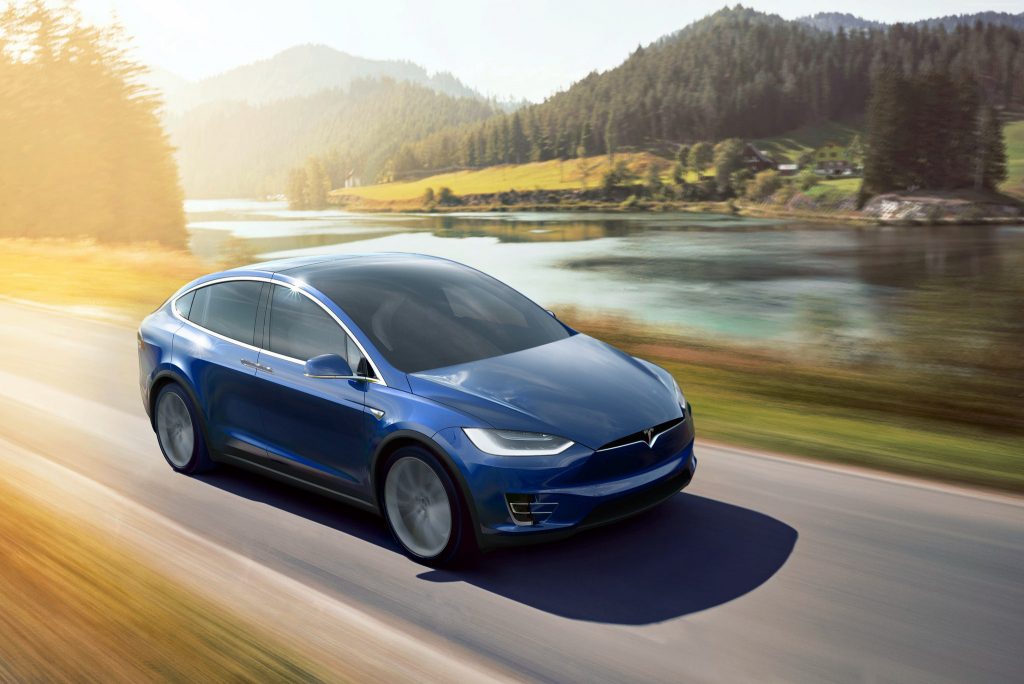
Tesla has become world renown for their superior performance electric vehicles. The Roadster put them on the map as the first production electric car that was actually refined, cool, and exciting. The heir to the awesome electric car throne, the Model S, will finally be delivered in 2012. The Model S sedan is targeted at electric vehicle fans with funds and maybe a couple kids. Remarkably, the base model will remain under their original target price of $50,000, at $49,900 after the $7,500 federal tax credit for electric vehicles purchased in or after 2010.
Tesla is providing a slew of classes and options for this electric sedan in hopes of capturing the absurdly rich and the upper middle class market share, so read closely. There are four classes of Model S: the Model S (plain, vanilla), the Model S Performance, the Model S Signature, and the Model S Signature Performance. On top of that, the plain Model S version has three, liquid cooled, lithium ion battery options, at 40, 60, and 85kWh. The other three classes (Performance, Signature, Signature Performance) all have the 85 kWh battery, standard, which pushes their ranges to a whopping 300 miles per charge. The 40 kWh option gives 160 miles and a 0-60 of 6.5 seconds, the 60 kWh battery puts out 230 miles and 5.9 seconds. The 85 Kwh pack gives you a 0-60 in 5.6. With the performance option that drops down to 4.4 seconds. The Signature label doesn’t necessarily enhance performance, but they are limited edition and available mid-2012, a few months earlier than the non-Signature class. They also carry about a $30,000-$50,000 premium over the base model.
All of the Model S classes will feature a 17-inch touch screen monitor which will contain media, GPS, and communications. The 200 watt stereo system will have radio, satellite radio, and USB ports. No CD player though, that’s so 20th century.

If you opt for the Signature series, you get the Tech Package standard, which includes xenon lights, keyless entry, LED foglamps, turn by turn navigation, power rear liftgate, back camera, rear USB ports, homelink, and electrochromatic side mirrors. A premium stereo system is also standard in the Signature class, and 1,000 bucks otherwise.
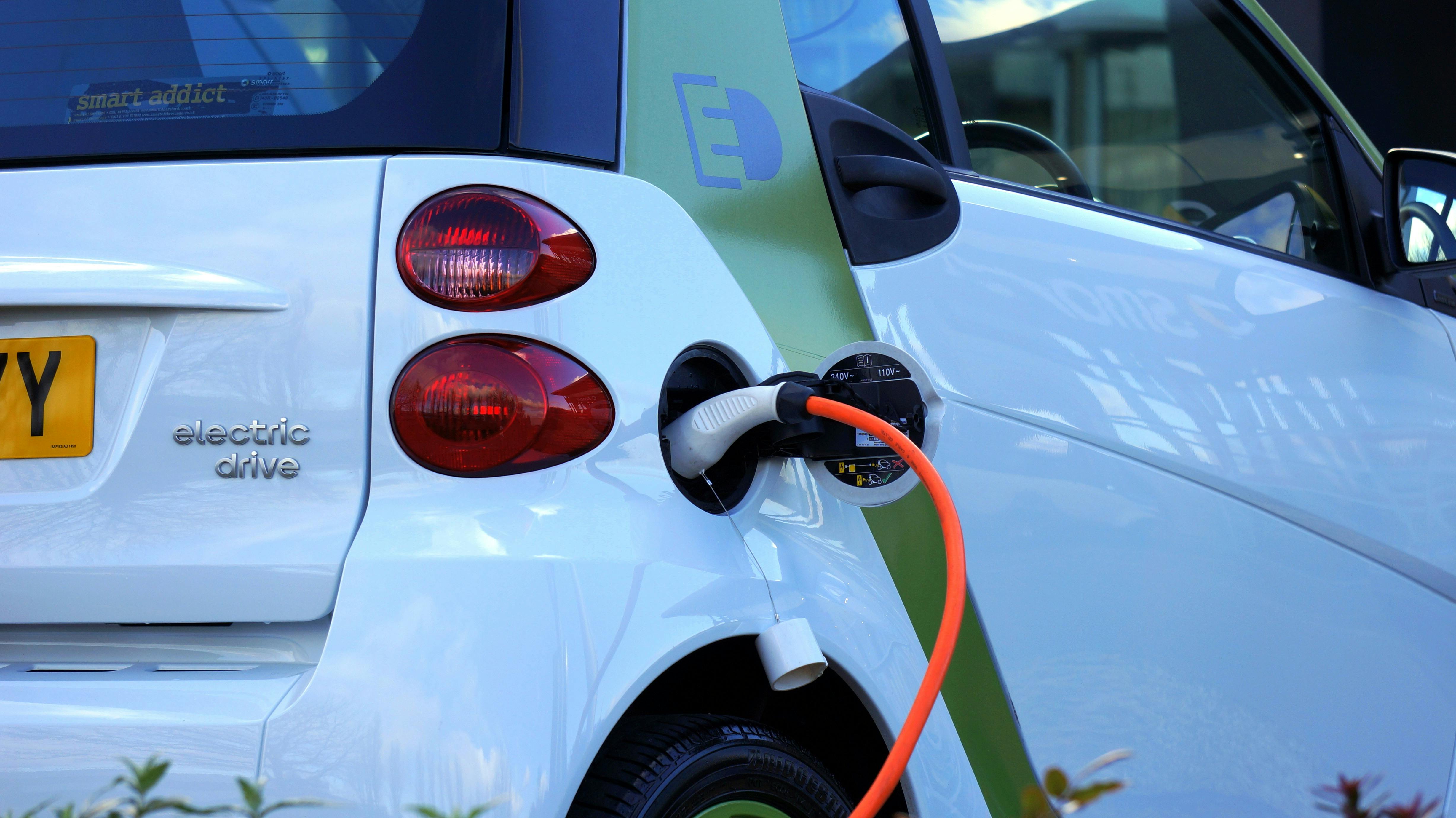
All Model S cars plug directly into 110 and 240 volt outlets with the Universal Mobile Connector and adapters. The High Power Wall Connector, which installs in your garage, enables cars equipped with Twin Chargers to charge twice as fast as cars equipped with a Single Charger. Cars equipped with a 60 or 85 kWh battery can use Tesla’s network of Supercharger stations.
Hope this helps clarify the many options and models of the Model S. For more information, visit Tesla’s Specifications page.
Tesla Roadster to be Discontinued
January 5, 2012 by admin
Filed under Tesla Motors, Tesla Roadster
Tesla is drawing sales of the Tesla Roadster to a close in 2012, primarily to focus on their more subdued and affordable Model S. As of September 30, 2011, Tesla had sold more than 2,000 Roadsters worldwide and the car maker announced it intends to sell a total of 2,500 units before it discontinues the model in early 2012. The latest model punched out 295 lbs-ft of torque and 288 horsepower. The instant torque, electric motor pushes the Roadster to 60 mph in 3.7 seconds. The EPA reports 245 miles per charge, giving it the longest range of a production electric vehicle ever. The world distance record of 311 miles was set by a Roadster on October 27, 2009, during the Global Green Challenge in outback Australia, in which it averaged a speed of 25 mph. At $109,000, the vehicle is really a steal for performance, groundbreaking technology, and rarity.
Elon Musk’s goal from day one has been to provide a “Model T” electric vehicle, an affordable $30,000 electric car with optimal range and performance. However, as an upstart company without the economy of scale that Ford or GM are endowed with, Tesla produced a premium performance electric vehicle. Now that the company is one step closer with the Model S, they are stepping away from the successful sports car model. So is it a wise move? Maybe a couple years ago, but now that the major manufacturers are entering the electric vehicle segment (Mitsubishi iMiev, Nissan Leaf) and offering plug in hybrids (Chevy Volt, Toyota Prius Plug-in). Can Tesla successfully sell a sedan while the majors are doing the same with their insurmountable resources and capital? It is going to be tough without the unique electric vehicle fanfare that the Tesla Roadster once had.
Here is a warm and fuzzy Tesla Roadster video to send it off:
Thrill from Tesla Motors on Vimeo.
Tesla Motors to use Panasonic Batteries
January 8, 2010 by admin
Filed under Tesla Motors
In a recent press release, Panasonic and Tesla Motors announced they will collaborate to develop the next generation of batteries for electric vehicles. Panasonic is the world’s largest producer of Lithium-ion battery cells and Tesla is the only current manufacturer of a highway capable EV.
PRESS RELEASE
Tesla and Panasonic Collaborate to Develop Next-Generation Battery Cell Technology
SAN CARLOS, Calif. – (Business Wire) Tesla Motors and Panasonic today announced that they will collaborate to develop next-generation battery cells for electric vehicles.
Tesla, the only carmaker producing highway-capable electric vehicles, will use Panasonic’s battery cells in their newest battery packs. The cells are comprised of Nickel-based Lithium ion chemistry, the highest energy density battery cells in production today, preferred by Tesla for EV applications because of their high capacity, light weight, durability, and long life.
“Our collaboration with Panasonic will accelerate the development of next generation EV cells, enabling Tesla to further improve our battery pack performance,” said JB Straubel, Tesla’s Chief Technology Officer. “Combining Tesla’s rigorous cell testing and understanding of EV requirements with Panasonic’s cutting-edge battery technology will result in custom cells optimized for use in EVs.”
Panasonic is the world’s leading battery cell manufacturer and a diverse supplier to the global automotive industry.
“Being selected by Tesla to provide cells for their current and next- generation EV battery pack is a tremendous validation of Panasonic’s nickel-based chemistry and the extensive investments Panasonic continues to make in lithium ion R&D and production,” said Naoto Noguchi, President of Panasonic Energy Company.
Panasonic is one of the world’s largest producers of Lithium-ion battery cells. Furthermore, Panasonic is the global leader in lithium-ion cell technology, and is midway through a 3-year USD$1 billion investment in lithium-ion battery cell R&D and production facilities. The first of the new facilities in Suminoe, Japan will begin production in April 2010.
Tesla’s current battery strategy incorporates proprietary packaging using cells from multiple battery suppliers. This new cell will also be compatible with other cell form factors to enable the continuation of Tesla’s strategy of using cells from multiple suppliers. Tesla has already delivered more than 900 cars to customers in North America and Europe.
About Tesla
Tesla’s goal is to produce increasingly affordable cars to mainstream buyers – relentlessly driving down the cost of EVs. San Carlos, Calif.-based Tesla sells cars online and has delivered nearly 900 Roadsters to customers in North America and Europe. In addition to South Florida, Tesla has showrooms in California’s Silicon Valley and Los Angeles, New York, Seattle, Boulder, London Munich and Monaco.
The Tesla Roadster is faster than an Audi R8 yet is six times as efficient as conventional sports cars. With an EPA-estimated range of 244 miles per charge, it costs less than $5 to charge.
2010 Tesla Roadster Sport
November 13, 2009 by admin
Filed under Tesla Roadster
This is a pretty cool video on the Tesla Roadster Sport.
First, there is a pretty informative overview of the interior. The Roadster now has a working glove compartment, alright! The transmission selector is now four buttons on the center console instead of a traditional lever. You can select from drive, neutral, reverse, and park. The console also features a port for your ipod or iphone, which from experience, really comes in handy nowadays. Accents on the car are all true carbon fiber, which is rare, because of how commonly it is faked.

The host also gives the battery of the Tesla Roadster Sport a once over. Giving the predictable, “There’s not much to look at here” quip. The Tesla Sport only has a single speed, so there is no complicated transmission bungling up the power to the wheels. He notes the car has 288 hp as apposed to the 248 of its predecessor; which gives it a 3.7 0-60 acceleration, .2 second quicker.
The best part of this video in my opinion is the host’s explanation of the Roadster’s regenerative brakes. When you hit the brakes, you are still using friction braking. The regenerative braking is when you lift off the gas, and you are slowed down by the regen brakes to give a “synthetic compression braking”. So it gives you that pulled forward feeling like you get when you lift off the gas in too low a gear in a regular vehicle.
Oncars.com’s Sweet Model S Video Preview
OnCars.com has produced a very informative and stylish video preview of the Tesla Model S. It is split into three parts: Design, Pure Electric, and Showtime.
Part 1: Design
Franz Von Holzhouzen, Chief Designer of the Model S Project, and Elon Musk, CEO of Tesla Motors, provide an in-depth description of how the electric drive train allows for unique design opportunities. I was unaware that the battery pack flat between the wheelbase this time. The Tesla Roadster’s is a vertical box located in the rear portion of the car. Also, the Model S has many hidden design elements that reduce the drag coefficient, like the retractible door handles, flat underbody, and air diffusers.
Part 2: Pure Electric
Elon and Franz emphasize the importance of keeping the Model S purely electric as apposed to creating a hybrid sedan ala the Fisker Karma. With a 300 mile range, the Tesla Model S should have no trouble being a daily driver, and will hopefully extinguish any doubt in the minds of those who don’t believe electric cars are fully capable vehicles.
Part 3: Showtime
This covers Elon’s appearance on Letterman and reactions from New York City.
Tesla Motors to Receive $465 Million Loan from the Government
July 2, 2009 by admin
Filed under Tesla Motors
From: OnCars.com
DoE giving boost to start-up electric car company
The DoE loan is reported to be $465m. Added to the $50m invested last month by Daimler plus the debt and equity already invested in the company, Tesla now sports a $700m capital war chest. Tesla plans to use $365m of the DoE monies to bring the Model S into production with the remainder going to customer power train development.
The sticker on the Model S should come in around $50k, or roughly half the price of the groundbreaking Tesla Roadster which absorbed all upfront development costs for the sporty little electric car.