
New battery-electric vehicles that will released for the model years of 2018 and 2019 could possibly shift the attention of consumers away from Tesla. Audi, Hyundai and at least a couple new manufacturers finally matured enough to make their own all-electric cars in the crossover SUV bodies. This video can serve as a quick overview of current market situation. Some cars are already on sale in the USA, Canada, Europe, Asia and China, so we were able to add prices and final technical information about them, while some are waiting for their first public debuts (companies already confirmed their production, though). Short list of things this video presentation will teach you (information about the sourced used in making this video are in the end of the presentation; image by autoblog.com/2018/02/27/hyundai-kona-electric-suv-revealed): – Porsche Mission E Cross Turismo can finally set the company to the path of electrifying their whole lineup. The 600hp E Cross Turismo SUV will be good for urban and offroad driving thanks to rugged tires and 310 miles of range; – Jaguar I-Pace is slightly bigger than most of cars on the list. Despite this, it will still show great range and be slightly cheaper than Tesla’s SUV. – Hyundai Kona is the competitor for the domination among more affordable EV options. Hyundai are known for making cars with competitive pricing and good specifications, so Kona Electric is the first long-range option to Bolt EV. – Chevrolet Bolt EV is usually described as the uncool all-electric car. Customers, who are not chasing the hype could have the time of their lives driving this car: it has the range of over 200 miles and low price compared to most of the competition. – Nio ES8 is the cheaper alternative to Model X that was created for the Chinese market. The main selling point of this big SUV is its pricing. For the smaller amount of money, you get cars that are not less advanced than ones created by Elon Musk’s company. – Audi Etron is scheduled to start rolling out of the production lines in the second half of 2018. Consumers in Europe can already place their reservations for Audi’s first long-range SUV. – Tesla Model X: no list is complete without this product. Although everyone is chasing Elon Musk, in 99% of cases Tesla remains on top. Let’s see if anything changes for them this year.
Tag Archives: electric cars
Can You Reduce The Costs Of An E-Car?
Even though the British government has made it clear that the future is not in fossil fuel powered vehicles, a lot of households are still debating the advantages of an electric car. Indeed, at a time where most people need to commute on average an hour to go every day, it’s easy to see how an electric car could make it difficult to maintain a healthy work/life balance. After all, who’s got time to put their car on charge for 12 to 18 hours to be able to get to the office on the next day? You can’t just top it up at the pump in a matter of minutes like you would with a diesel or an unleaded petrol engine. Additionally, there is no denying that electric vehicles have not yet addressed all the issues that environmental and legal institutions have complained about regardless fuel-powered engines. So the question remains open for now: If there a way to reduce the many costs of an e-car?
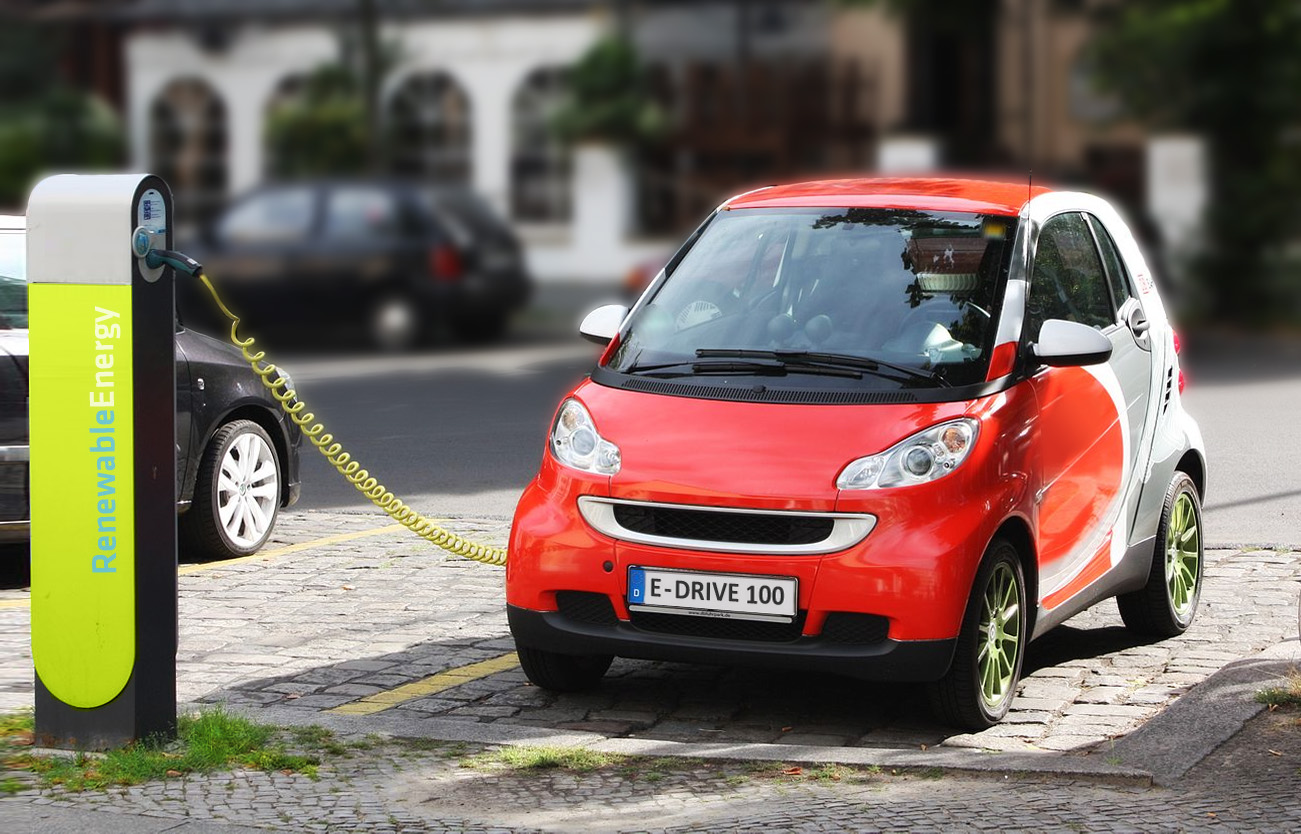
What are the hidden costs of electric cars?
Electric cars are expensive
For the time being, buying an electric car is an expensive purchase. For a start, even the best selling electric vehicle in the UK, the Nissan LEAF, costs on average £8,000 more than the best selling family favourite car, the Ford Fiesta. For a family budget, £8,000 is not the kind of expense that can be easily ignored. Besides, you need to add the running costs of maintaining an electric engine. A 1.2L petrol engine will need a refuel after roughly 300 miles, and you can expect to pay between £35 and £40. But the Nissan LEAF will need charging after 100 miles, which means that you also need to check for charging stations along your route.
But things will change
Additionally, if you’re looking for a cheap auto insurance, you’d better stick to the Ford Fiesta for now. Electric cars are indeed around £330 more expensive to insure at the moment. Admittedly, it doesn’t mean that you should ignore the option of buying an e-vehicle as you can expect that technology will improve rapidly. Along with the legal incentives, it’s likely that within the next 10 years, electric cars will become cheaper to insure compared to fossil fuel engine, as we’ll get closer to the 2040 deadline set in the UK.
There are already eco-friendly actions
There has been a lot of discussion in the recent years about the green benefits of electric vehicles. Indeed, it’s impossible to ignore the cost of production on the environment. Indeed, the lithium contained the car batteries come from environmentally destructive mines, which are linked to the creation of highly toxic chemicals that are regularly dumped back into the environment. In other words, until this process can be improved, it’s hard to think of electric vehicles are green cars. However, there are green actions that can help to improve their running costs for your wallet and the environment. Indeed, Smart Green Batteries SARL has patented charging stations using recycled oils to charge your car.
In other words, e-cars still come at a high cost in terms of environmental protection, financing, and practicality. However, there are indications that this cost can be decreased through technological progress over time.
Your “Electric” Bill…

Practicalities aside, running an electric car, it appears, is full of various expenses. But is this really true? The thing, of course, with any electric car is that you are benefiting the planet, but is this a detriment to your wallet? Let’s break down the various costs essential to keeping an electric car running, and the upfront costs that you need, as well as the other pertinent aspects.
The Cost Of The Car
The first thing to notice is that these cars cost a lot more front than a standard vehicle. As far as average cost is concerned, the best-selling electric car in the United Kingdom, the Nissan LEAF, costs roughly £8,000 more than the most popular petrol car in the country, the Ford Fiesta. But the difference is bearable in some respects. The UK government will give grants towards the cost of electric cars, up to £4,500. The cost upfront is quite a dent in your savings. You could go for the cheaper models that are exempt from road tax, but with these ones you are looking at less than £40,000. As far as the impact on the environment is concerned, it is something worth considering, and based on your finances, you might start looking for the best place to get a personal loan, so you can make this upfront payment because you will recoup the costs in other ways…
The Running Costs
The one thing that is glaringly obvious is the lack of petrol costs, and so when you are looking at an electric vehicle battery, the charge for every 100 miles is between £2 and £4. So, straight away, if you can get roughly 300 miles out of a 1.2-litre tank, which costs roughly between £35 and £40, you’ve got a major saving! The most recent Tesla model offers 335 miles as a maximum range and the Nissan LEAF needs charging after 100 miles. As far the practicalities are concerned, as long as you have charging points dotted around your destinations, there is a major saving to be had. The other factors to consider in terms of getting the most mileage out of your electric car is what time of year you drive it, as well as if you like to listen to music in your car! The more in-car functions you use, the quicker it will drain the battery. It’s worth bearing this in mind.
The Other Concern
We all need to change the battery on occasion. This does depend on the model car that you buy. A Nissan LEAF, with a 30kWh battery, is covered for 8 years or 100,000 miles, whichever one you hit first. But will you look at the battery pack in the Tesla Model S, it only loses 8% of its battery life after 100,000 miles.
The Verdict
Overall, mathematics needs to be your strong point, and you need to calculate right now if it’s worth your expenditure. Apart from the benefits to the planet, and the value it can retain if you keep it safe, despite the government funding you can get right now, lots of people find that it’s too much of a dent in their wallet. However, petrol cars are going to be outlawed in 2040 in the United Kingdom, so it’s time to start saving!
Truckers of the World: Electric Is Coming!
Most of the focus on commercial electric vehicles has focused on cars over the past few years, but there have been huge developments in trucking, too. And if you are a truck owner or – more importantly – drive one for a living, you might be watching on with baited breath.
The dawn of electric-fueled trucks is almost upon us, according to recent reports. And it could have an enormous impact in a broad array of areas. Let’s take a look at everything we know so far, and what we might expect in the future.

Tesla
Back in November of 2017, Elon Musk revealed his plans for Tesla to release a fully electric Semi truck. It can travel 500 miles with haulage of 80,000 pounds on a single charge and is semi-autonomous. It comes equipped with Enhanced Autopilot, which means the truck can effectively brake, keep lane, and automatically signal for lane departures.
Thor Trucks
However, Tesla might be beaten to the market by Thor Trucks. Their ET-One is an incredible looking vehicle that has been cobbled together with parts from lots of other tractor-trailers and has a 300-mile range carrying 80,0000 pounds of weight. And most importantly, the tech behind it proves that fossil-fuel burning trucks can be converted into electrically powered vehicles and that Thor Trucks reckon it will be ready to sell far quicker than Tesla’s version.
Truck drivers today
Is this bad news for the truck drivers of today? Possibly – and it might happen sooner than most people think. Trucking is a big opportunity for anyone with a barrier to entry to traditional jobs, and given the gig doesn’t require an education, it’s heavily unionized and, in effect, relatively well paid. If electric trucks come to the market – and are automated, as expected – where will these people look for work? And given the huge industry around trucking – from diesel truck mechanics through to logistics experts – it could have a deep impact. While truck driving isn’t the greatest job in the world, it is in demand, so what will happen wants it isn’t?
The truck drivers of tomorrow
Ultimately, the world is quite ready for full automation in cars – let alone gargantuan sized vehicles like trucks. But as soon as automation comes in, the reality is that people will get used to it fairly quickly, as long as there aren’t too many major incidents. But even so, truck drivers will lose their jobs. Take what Peloton Technology are doing as the perfect example. Their idea is to create platoons of trucks that travel in convoy, with only the first truck having a driver – all the others are controlled from one cockpit. And the effect could be huge – Goldman Sachs has estimated that automation could see 300,000 jobs going every year around the world.
Conclusion
That’s a lot of jobs disappearing – and a lot of people out of work. And the most surprising thing is that the technologists and policymakers behind all this work don’t seem to be considering the damage they might leave behind. Most people are all about embracing the future, of course, but truckers? They might not be so happy.
Keeping Your Electric Car As Safe As Possible
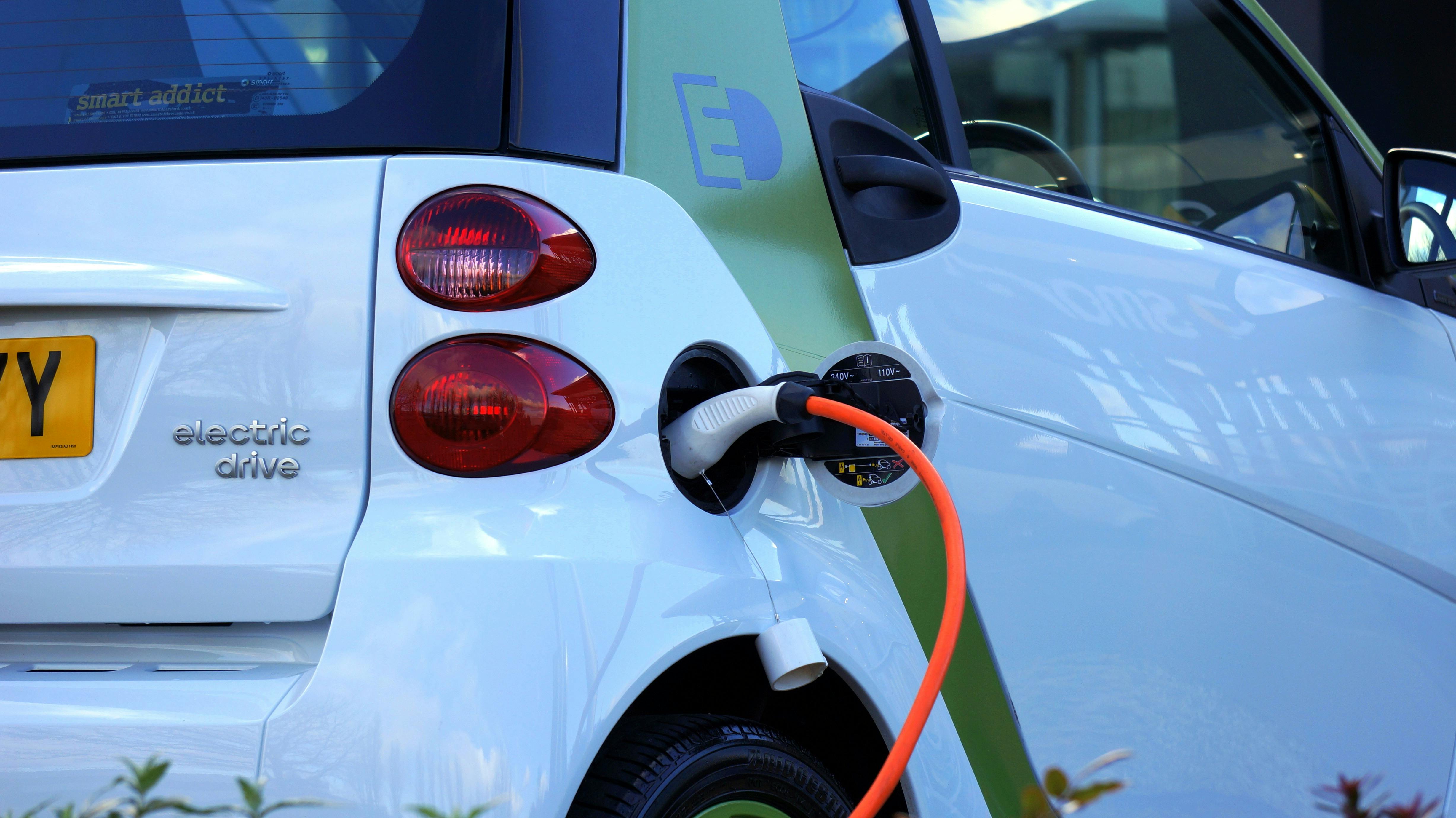
Picture Source: https://www.
Owning an electric car is very different to owning a standard diesel vehicle. Obviously, you know this and that’s why you bought the car. You know that the impact it has on the environment is far lesser, for example. The differences between electric cars and traditional cars are many. Nonetheless, when it comes to the ways in which you should be looking after your electric-powered vehicle, there are some similarities and some differences when compared to a standard car. Here’s how to keep your electric car as safe as possible.
Maintenance.
As with any car, maintenance is the key to keeping your car safe and roadworthy. And, as with any car, you need to become acquainted with the machinery at work within your vehicle so as to take care of it yourself. Even though regular check-ups are important, going to a repair shop every time there’s a problem is costly and time-consuming. Not to mention, it’s much safer and responsible to maintain your vehicle by yourself.
You need to understand the sophisticated electronics that run your car. Learn about the battery control module and how it discharges and charges the battery bank. You also need to learn about the heating and cooling systems because it’s important that these are well-maintained in order to keep your vehicle safe. Take a look at the hoses, clamps, and pipes to check the cooling system is working as it should be. As a piece of advice to make sure your battery doesn’t run into any problems, you should avoid a full charge; pushing your battery to its maximum capacity and then draining it is damaging.
Responsible driving.
If you want to keep your electric car as safe as possible then you need to be a responsible driver and that all depends on road awareness. You already have a license, so you’re qualified to drive a vehicle, but you might not necessarily be the most observant driver possible. Passing your driving test is one thing but you need to maintain that focus and concentration every time you get behind the wheel of a car. You might want to look into a mirror reversing camera kit because it’s so important to have complete vision of the road as a driver. And, sometimes, your rear view mirrors won’t suffice; blind spots are bad enough but other vehicles and things in the road can obscure your vision too. It’s a good idea to have as many backup options in place as possible and a camera can certainly help.
Continuing on from the point above, you need to be aware of the road in order to be a responsible driver but you also need to react to the road appropriately. Defensive driving is the best way to avoid accidents on the road. If you see a reckless driver then reacting aggressively to the situation and losing concentration could make you a danger to the road too. Additionally, driving defensively and cautiously means that you shouldn’t speed or brake hard; put your electric car under too much strain and it’ll wear out more quickly. You need to look after your vehicle in the way you would with any car.
Electric Dreams: How To Buy A Used Electric Car

.jpg)
The revolution of the electric car is well and truly upon us, so much so that the electric vehicle isn’t exclusive to those who have infinite amounts of money or are only looking for a minuscule size car. Now, there are bigger cars, and different sizes to suit all people. From the small, through to the family vehicles, and beyond. But for those who are on the lookout to buy their first electric car, while it is a major investment, it can be a bit expensive up front. So, for those who are looking for a way to benefit the environment but not spend so much money is to invest in a used electric car. This is becoming more popular as time goes on, not just because of the cost, but as those first generation electric vehicle drivers are hoping to upgrade to the most modern of EV technology, it means there’s a whole collection of cars desperate for a new home. So, where do you begin, and does it actually matter if you buy used in comparison to new?
The Facts
When you are buying any sort of used car, there’s a lot of things to bear in mind. Of course, we all have our own ideas with regards to the look, the performance of the vehicle, as well as the brand itself. Practical issues are the main thing with electric vehicles. But for those who are buying the first electric car, there is a sense of trepidation because of the unknown. The first wave of electric vehicles arrived in the UK during 2011, and these cars such as the Citroen c-Zero, and, of course, the Nissan Leaf, are mainstays of the British roads now. The one thing that you can take comfort in buying these cars is that they still run as good as they did on the first day they were used, especially if you compare these two cars with internal combustion engines (ICEs). And, if you need any more convincing, electric vehicles are now being used as the standard car for various cab firms. People are doing this now because they are much more reliable than ICE vehicles. So, if you are venturing into the unknown, and know nothing about electric vehicles, the pros far outweigh the cons.
What To Look Out For
The main concerns with electric vehicles are the two main components, the battery pack and the motor. The one thing that you need to bear in mind with this is the battery, as long as it is recharged and discharged on a regular basis, it can be incredibly economical, and could last you at least 10 years. The problem with buying a used electric car is that you need to find out if the batteries have been charged. The irony is with electric vehicles is that the lack of use is a culprit in killing and electric vehicles battery more than anything else. There were issues in 2012 with the Tesla Roadster, and owners stating that the batteries were dying due to the lack of use. The problem with these batteries is that when they don’t get used for so long, they will refuse to charge. This is known as bricking. So, by investing in a car, especially a Roadster that is an earlier model than 2012, you may have this issue. However, in 2013, Tesla stated the 8-year battery warranty would be honored, regardless of the situation. Although, if you do need to replace the battery, there are ways around this so that it doesn’t cost the earth. So, for example, the battery pack of a Nissan Leaf consists of 192 cells. Instead of replacing the entire battery pack, you could replace each cell. Therefore it costs a very minimal amount in comparison to the battery pack as a whole. Although, sometimes the battery is leased, instead of it being purchased. So this reduces concerns about replacing the battery. There are models, such as the Renault Twizy, and if the battery drops below its 75% performance capacity, it will be replaced; this is as long as it’s under warranty.
How They Drive
For any new car comments always best to take a proper test drive. And what you need to remember when getting used to the contours of an electric vehicle, is that you need to monitor the dashboard to see how quickly the battery wears out, but also look at what you can get out of the car. The big thing to remember is that various issues can drain the battery, from driving fast, navigating hills, or even using the in-car features, such as air conditioning! So it’s important to remember that the car needs to suit your lifestyle, much like a small speedster, if you are using it for stop-start traffic rather than off road, you should think about exactly what you plan on using this car for. So, if you are considering an electric vehicle for lengthy journeys, it’s important to make sure that the car is in prime condition in the first place, and, of course, this means looking after things like the tires. It’s always important to remember that with every electric vehicle that you take it to a mechanic that is able to deal with the unique problems. And while a place like Telle Tire & Auto Center does the various aspects of a vehicle, it’s important to remember that some mechanics don’t. Looking after your car can be a bit more difficult when it’s an electric vehicle.
Owning An Electric Vehicle
Luckily, most electric vehicles are easier to drive than ones with an internal combustion engine. That’s, making the change means that there are some sticking points that might be difficult for you to get over. The one main thing to bear in mind is if there are enough electric charges where you live. It’s recommended that you get a charging point at home because it can take a few hours to charge up your vehicle properly, rather than the few minutes when filling up a typical gas tank. So, you need to get online and look at a few forums, such as Electric Forum, which means you can get opinions from other electric vehicle drivers so you can get an informed opinion.
For lots of people, the electric vehicle is the way forward, and for some, it can be quite a transition. So, while there are some fantastic models out there right now, from the Renault Fluence to the Nissan Leaf, as well as the Tesla Model S, remember, is your lifestyle able to keep up with it?